

What Is a 5 Ply Corrugated Box? Structure, Strength, Uses & Why It Matters
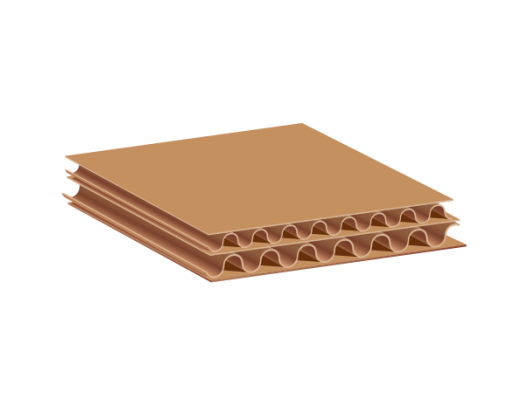
A 5 ply corrugated box is a double wall packaging solution built from five layers of paper — two flat outer liners, two fluted mediums, and one central liner — that together deliver significantly greater strength, stacking capacity, and transit protection than a standard single wall box.
Most businesses do not think much about the box their product ships in — until that box fails. A dented corner during transit. A crushed base from warehouse stacking. A split wall under the weight of the load. These failures happen precisely when someone uses a lighter box where a 5 ply corrugated box belongs. Furthermore, in industrial and commercial supply chains, a packaging failure does not just damage one product — it triggers returns, replacements, and customer complaints that cost far more than the box itself ever did. 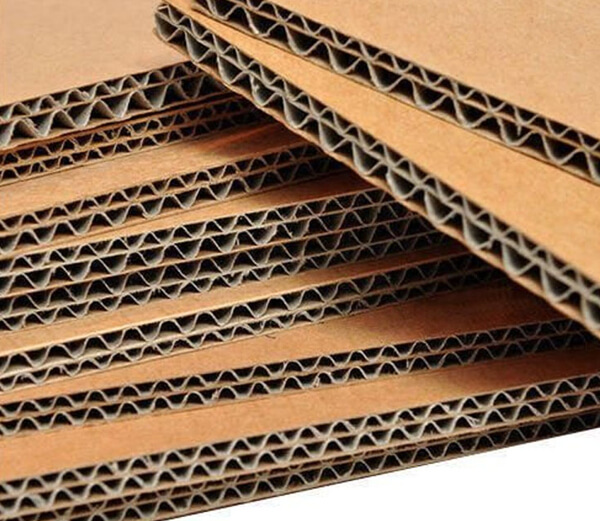
What Is a 5 Ply Corrugated Box?
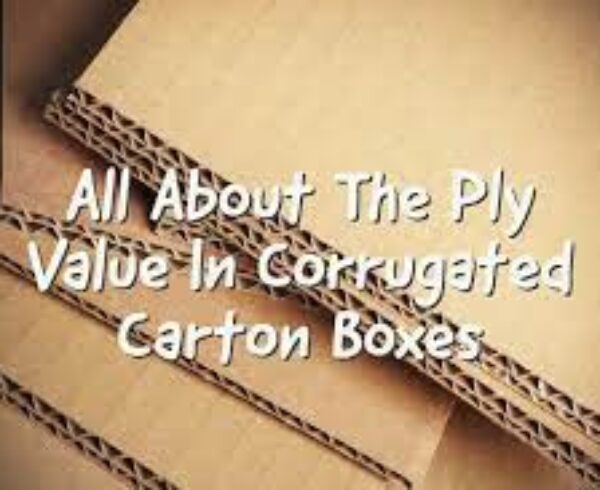
A 5 ply corrugated box contains five distinct paper layers. Three flat liners run along the top, middle, and bottom of the board. Two fluted mediums — the wavy corrugated layers — sit between them, one on each side of the central liner. This five-layer construction creates what the packaging industry calls a double wall corrugated board.
5 Ply vs Standard Corrugated — Why the Extra Layers Matter
A 3 ply box has one fluted layer. A 5 ply box has two. However, the difference is not simply additive. The double flute configuration creates a cushioning zone between inner and outer walls — so impacts do not travel directly through to the product. Moreover, the central liner adds structural rigidity that prevents the box from buckling sideways under heavy loads. Consequently, a corrugated box handles products and conditions that would collapse a 3 ply box within days of transit.
Why the 5 Ply Corrugated Box Exists — The Problem It Solves
Every packaging decision starts with a product and a journey. The product has a weight, a fragility, and a value. The journey has transit modes, handling touchpoints, stacking conditions, and climate exposure. When the packaging cannot match the journey, the product pays the price.
When a Standard 3 Ply Box Fails Your Product
The most common packaging failures businesses bring to Wadpack are completely predictable. Base compression failure — the bottom of a 3 ply box buckles under product weight combined with stacking load. Side wall collapse — transit vibration causes single-wall boards to fatigue and deform over time.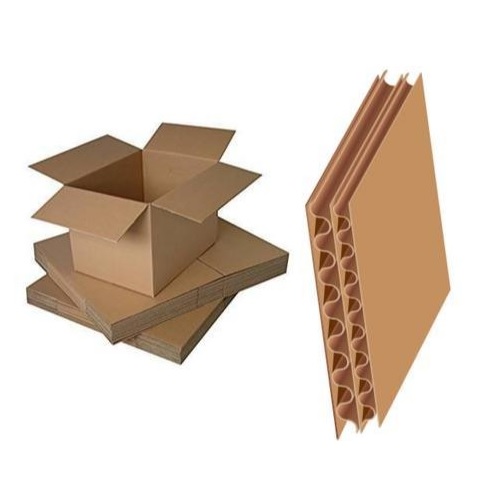
5 Ply Corrugated Box — Structure and Construction
Understanding the construction of a 5 ply corrugated box helps you specify the right variant for your product. Each layer plays a specific structural role — and the paper grade used for each layer directly determines the box’s final performance.
How Strong Is a 5 Ply Corrugated Box?
Strength in corrugated boxes measures across two key parameters — bursting strength and ECT (Edge Crush Test). Both matter. However, they measure different things, and understanding the difference helps buyers specify the right box for their specific application.
Bursting Strength vs ECT — Which Matters More?
For most industrial and commercial applications, ECT is the more relevant specification. A box can have good bursting strength but poor ECT — meaning it resists puncture but collapses under stacking load. Specifically, for e-commerce fulfilment, automotive, and export applications where pallets stack three to five high, ECT determines whether the bottom boxes survive intact. Wadpack specifies both parameters for every Corrugated box order.
Industries That Use a 5 Ply Corrugated Box
The Corrugated box serves as the workhorse of commercial and industrial packaging across India. It bridges the gap between lightweight consumer cartons and heavy-duty wooden crates — making it the most practical choice for a wide range of medium to heavy goods.
From E-Commerce to Automotive — Real Applications
- E-commerce and retail — heavy product categories including large electronics, home appliances, sporting goods, and bulky consumer items require 5 ply boxes.
- Automotive — spare parts, brake assemblies, engine components, and body panels moving through Tier 1 and Tier 2 automotive supply chains.
- FMCG and food — bulk food products, heavy bottled goods, and industrial quantities of consumer products use Corrugated boxes.
- Pharmaceuticals — large-format pharmaceutical packaging, medical device secondary packaging, and bulk medicine cartons use 5 ply.
- Electronics — medium-weight electronics, switchgear, motor control units, and assembled equipment require both cushioning and compression.
Benefits of Choosing a 5 Ply Corrugated Box
The 5 ply corrugated box consistently outperforms lighter alternatives on the metrics that matter most in commercial and industrial packaging.
What You Gain Over Lighter Alternatives
- Higher load capacity — handles products weighing 12 to 50 kg depending on box dimensions and paper grade, far exceeding the 3 ply ceiling of 5 to 15 kg
- Superior stacking strength — double wall construction resists compression from stacking loads in warehouses, fulfilment centres, and shipping containers
- Better transit resilience — dual flute cushioning absorbs impacts from drops, vibration, and rough handling across multi-modal transit routes
- Moisture resistance — with appropriate liner grades, Corrugated boxes resist humidity and surface moisture during transit through varying Indian climate conditions
- Full customisation — available in any custom size, with any flute combination, printed in one or more colours with brand logos, barcodes, and handling instructions

Choosing the Right Ply for Your Product
The right ply choice depends entirely on your product’s weight, transit journey, and stacking requirement. If your product weighs under 15 kg and travels through domestic retail distribution, a 3 ply box delivers adequate protection at lower cost. However, if your product weighs 15 to 50 kg, travels through multi-modal logistics, or stacks three or more high in a warehouse, a 5 ply box is the appropriate specification. For products exceeding 50 kg, a 7 ply triple wall construction becomes necessary.
Why Wadpack Is Bangalore’s Trusted 5 Ply Corrugated Box Manufacturer
Wadpack has manufactured corrugated boxes in Bangalore since 1976 — nearly five decades of packaging experience serving Indian industry. We produce 3 ply, 5 ply, and 7 ply corrugated boxes across our facilities in Doddaballapur, Bangalore and Guntur, Andhra Pradesh — giving clients across South India reliable access to high-quality corrugated packaging.
FAQ:
Q: What is a 5 ply corrugated box?
A Corrugated box is a double wall packaging solution made from five layers of paper — two outer liners, two fluted mediums, and one central liner.
Q: What is the difference between a 3 ply and a 5 ply corrugated box?
A 3 ply corrugated box has one fluted medium between two liners — single wall construction.
Q: How much weight can a 5 ply corrugated box carry?
A Corrugated box handles products weighing between 12 kg and 50 kg, depending on box dimensions and the paper grade used.
Q: Does Wadpack offer custom sizes for 5 ply corrugated boxes?
Yes. Every Corrugated box Wadpack manufactures is available in any custom size.
Q: Which flute type does a 5 ply corrugated box use?
The most common flute combination is BC flute — B flute on the inner side and C flute on the outer side — which provides a balanced combination of cushioning and stacking strength for most industrial applications.


Leave a Comment