
When it comes to international trade, protecting your products during transit is paramount. Pinewood boxes have emerged as the gold standard in export packaging, offering unmatched durability, cost-effectiveness, and compliance with global shipping regulations. Whether you’re shipping machinery, electronics, or fragile goods across continents, choosing the right wooden packaging boxes can mean the difference between successful delivery and costly damages. This comprehensive guide explores everything you need to know about pinewood boxes for export, helping you make informed decisions that protect your products and your bottom line.
Why Choose Pinewood Boxes for Export Packaging?
Pinewood has become the preferred material for export packaging due to its unique combination of strength, availability, and affordability. Unlike other materials, pine offers excellent shock absorption properties that protect goods from impact during handling and transportation. The natural resilience of pinewood makes it ideal for long-distance shipping where packages face multiple loading and unloading cycles.
Key advantages include:
Superior strength-to-weight ratio reducing shipping costs
Natural shock absorption protecting delicate items
Easy customization for various product dimensions
Environmentally sustainable and biodegradable material
Cost-effective compared to alternative packaging solutions
Types of Wooden Packaging Boxes for Export
Understanding the different types of export packaging helps you select the most appropriate solution for your specific needs.
| Packaging Type | Best For | Load Capacity | Cost Range |
| Standard Pinewood Crates | Heavy machinery, industrial equipment | 500–2000 kg | Moderate |
| Plywood Boxes | Electronics, fragile items | 100–500 kg | Higher |
| Heat-Treated Pine Boxes | International shipments (ISPM 15 compliant) | 200–1500 kg | Moderate–High |
| Custom Pine Packaging | Irregular shapes, specialized goods | Varies | Premium |
ISPM 15 Compliance: Essential for International Shipping
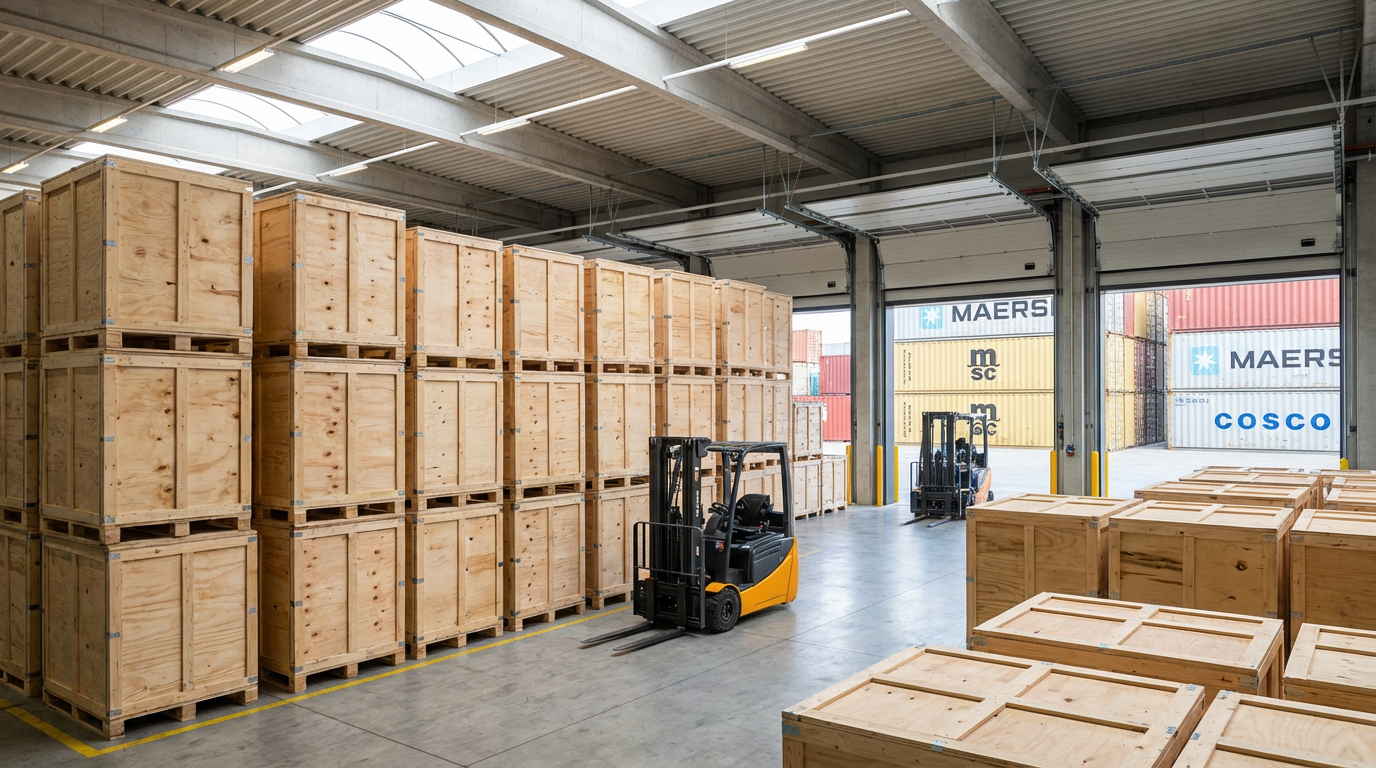 The International Standards for Phytosanitary Measures No. 15 (ISPM 15) is a critical requirement for wooden packaging boxes used in international trade. This regulation prevents the spread of pests and diseases through wood products crossing borders.
Compliance requirements:
Heat treatment at 56°C for minimum 30 minutes
Proper certification marking with country code and treatment method
Documentation proving treatment process
Regular audits and quality checks
Non-compliant packaging can result in shipment rejection, quarantine, or destruction at customs, causing significant financial losses and delivery delays.
Design Features of Quality Pinewood Export Boxes
Premium export packaging incorporates specific design elements that enhance protection and handling efficiency:
Structural Components:
Reinforced corners with metal brackets for added strength
Cross-bracing to prevent warping during transit
Moisture barriers protecting against humidity damage
Ventilation slots for products requiring air circulation
Forklift-friendly base design for easy handling
Customization Options:
Interior foam padding for fragile items
Compartmentalized sections for multiple products
Waterproof coatings for maritime shipping
Branded markings and handling instructions
Stackable designs maximizing container space
Industries Relying on Pinewood Export Packaging
Wooden packaging boxes serve diverse industries with varying requirements:
Manufacturing & Heavy Equipment: Large machinery, automotive parts, and industrial components require robust pinewood crates that withstand significant weight and provide structural support during international transport.
Electronics & Technology: Sensitive electronic equipment benefits from custom-fitted pine boxes with anti-static foam inserts, protecting against both physical damage and electromagnetic interference.
Pharmaceuticals & Healthcare: Temperature-sensitive medical supplies and pharmaceutical products utilize specially designed wooden packaging with insulation properties and secure closures meeting regulatory standards.
Agriculture & Food Processing: Export of agricultural machinery and food processing equipment demands fumigated pinewood boxes complying with strict phytosanitary regulations across different countries.
Cost-Effectiveness and Sustainability
Pinewood boxes offer exceptional value proposition for businesses engaged in export activities. The initial investment in quality wooden packaging boxes pays dividends through reduced damage claims, lower insurance premiums, and enhanced customer satisfaction.
Economic Benefits:
| Factor | Impact | Savings Potential |
| Damage Reduction | 70–85% fewer claims | 15–25% of product value |
| Reusability | 3–5 shipment cycles | 40–60% packaging cost |
| Lightweight Design | Lower freight charges | 10–15% shipping costs |
| Easy Repairs | Extended lifespan | 30–40% replacement cost |
Selecting the Right Supplier for Export Packaging
Choosing a reliable supplier for your wooden packaging boxes is crucial for maintaining consistent quality and meeting delivery schedules. Evaluate potential partners based on:
Certification credentials including ISPM 15 authorization
Manufacturing capacity to handle your volume requirements
Customization capabilities for specialized packaging needs
Quality control processes ensuring consistent standards
Delivery reliability with proven track record
Technical support for design optimization
Request samples, visit manufacturing facilities when possible, and verify compliance documentation before committing to large orders.
Pinewood boxes for export represent a strategic investment in product protection, regulatory compliance, and customer satisfaction. By understanding the specifications, compliance requirements, and design considerations outlined in this guide, businesses can make informed decisions that enhance their international shipping operations. Quality wooden packaging boxes not only safeguard your products during transit but also reflect your commitment to professional standards and environmental responsibility. Partner with certified suppliers, ensure ISPM 15 compliance, and customize your export packaging to meet specific product requirements for successful global trade operations.




Leave a Comment