Corrugated Box Manufacturers | Packaging Solutions Provider | WadpackCorrugated Box Manufacturers | Packaging Solutions Provider | WadpackCorrugated Box Manufacturers | Packaging Solutions Provider | WadpackCorrugated Box Manufacturers | Packaging Solutions Provider | Wadpack
  • Home
  • About Us
    • About Wadpack
    • History
    • Investors
    • Sustainable and Compliances
    • Facilities & Capabilities
    • Social Accountability
    • Certificates
    • Customer Feedback
  • Products
    • Tobacco Packaging
      • C48IB Packaging
      • Cut Rag Packaging
      • 100 KGS Packaging
      • Oriental Packaging
      • C30IB Packaging
      • Cigarette Packaging (AROMA RETENTION) Packaging
    • IBCs – Intermediate Bulk Containers
      • SpaceKraft IBCs
    • Archival Box
    • Corrugated Packaging Boxes
    • 7 Ply Corrugated Box
    • 5 Ply Corrugated Box
    • Regular Slotted Container Box (RSC)
    • Heavy Duty Corrugated Boxes
    • Tamper Proof Packaging
  • Industries Served
  • CSR/Training
  • Contact Us
    • Contact Us
    • Careers
      • Apply Now
  • Image Description

What is the environmental impact of this corrugated box, and is it recyclable?

    Home Uncategorized What is the environmental impact of this corrugated box, and is it recyclable?
    NextPrevious

    What is the environmental impact of this corrugated box, and is it recyclable?

    By wadpack | Uncategorized | 0 comment | 4 May, 2023 | 0

    Table of Contents

    Toggle
    • What materials are typically used to manufacture corrugated boxes, and what environmental impacts do these materials have?
      • What is the lifecycle of a corrugated box, and how does this impact its recyclability?
      • Are there any alternative materials or packaging designs that could reduce the environmental impact of corrugated boxes?
      • How can consumers ensure that corrugated boxes are properly recycled and disposed of, and what role do recycling facilities play in this process?
      • What are some of the challenges faced by manufacturers, retailers, and consumers in reducing the environmental impact of corrugated boxes?

    What materials are typically used to manufacture corrugated boxes, and what environmental impacts do these materials have?

    Corrugated boxes are typically made from a combination of virgin and recycled paper fibers, as well as adhesives and other materials for reinforcement. The environmental impacts of these materials can vary depending on a number of factors, including the source of the raw materials, the manufacturing process, and the end-of-life disposal method.

    The use of virgin paper fibers in the production of corrugated boxes can contribute to deforestation and habitat loss if not sourced sustainably. However, many manufacturers use certified sustainable sources of virgin fibers, such as those certified by the Forest Stewardship Council (FSC).

    The use of recycled paper fibers in corrugated boxes can help reduce the environmental impact of the manufacturing process, as it requires less energy and resources than producing virgin paper. However, the recycling process itself can also have environmental impacts, such as water and energy use, and the generation of waste.

    The adhesives and other materials used in the manufacturing of corrugated boxes can also have environmental impacts, such as the use of petroleum-based products and the release of volatile organic compounds (VOCs) into the air.

    What is the lifecycle of a corrugated box, and how does this impact its recyclability?

    The lifecycle of a corrugated box typically consists of several stages, including raw material extraction, manufacturing, transportation, use, and end-of-life disposal. The sustainability of a corrugated box is affected by each of these stages, as well as the quality and recyclability of the materials used.

    In the extraction stage, the environmental impact of a corrugated box is determined by the sourcing of its raw materials. The use of sustainably sourced wood and recycled paper fibers can help minimize the environmental impact of this stage.

    During the manufacturing stage, corrugated boxes are made by combining layers of paper and adhesives to create a sturdy, yet lightweight, material. This stage has the potential to generate environmental impacts such as energy use, water use, and air emissions, which can be minimized through the use of renewable energy sources, closed-loop water systems, and eco-friendly manufacturing processes.

    In the transportation stage, the environmental impact of a corrugated box is determined by the distance it needs to travel and the mode of transportation used. Shipping boxes shorter distances and utilizing more fuel-efficient transportation methods such as rail or barge can help reduce greenhouse gas emissions.

    The use stage of a corrugated box involves its use as packaging for goods, and the potential for the box to be reused or recycled. Reusing boxes is an eco-friendly option that can help extend their lifecycle, while recycling corrugated boxes can help reduce waste and conserve resources.

    At the end of its lifecycle, a corrugated box can either be landfilled or recycled. The recyclability of a corrugated box is determined by its quality and the availability of recycling infrastructure. Corrugated boxes with minimal contamination and intact fibers are more likely to be recycled, while boxes with significant damage or contaminants may be rejected by recycling facilities.

    Are there any alternative materials or packaging designs that could reduce the environmental impact of corrugated boxes?

    Yes, there are alternative materials and packaging designs that can reduce the environmental impact of corrugated boxes. For example, some companies are using bio-based materials made from renewable resources like plant-based fibers or mushroom-based materials, while others are exploring alternative packaging designs that use less material or are more easily recyclable.

    Some examples of alternative packaging designs include reusable boxes, boxes made from recycled plastic, or boxes that can be easily disassembled and recycled. By using these alternatives, companies can reduce the environmental impact of their packaging and move towards a more sustainable future.

    How can consumers ensure that corrugated boxes are properly recycled and disposed of, and what role do recycling facilities play in this process?

    Consumers can ensure that corrugated boxes are properly recycled and disposed of by following a few simple steps. First, they should check with their local recycling facility to determine what materials are accepted and how to properly prepare the boxes for recycling.

    This may involve breaking down the box, removing any plastic or metal components, and keeping the box free of contaminants like food or grease. Consumers should also avoid sending boxes that are significantly damaged or wet, as these may not be accepted for recycling.

    Recycling facilities play a crucial role in the recycling process by sorting and processing materials for reuse. Corrugated boxes are typically sorted and baled with other paper products, such as newspapers and office paper, before being sent to a paper mill for processing. At the paper mill, the boxes are pulped and processed into new paper products, which can include new corrugated boxes.

    What are some of the challenges faced by manufacturers, retailers, and consumers in reducing the environmental impact of corrugated boxes?

    There are several challenges faced by manufacturers, retailers, and consumers in reducing the environmental impact of corrugated boxes. Some of these challenges include:

    • Cost: Sustainable materials and packaging designs can be more expensive than traditional options, which can be a barrier for manufacturers and retailers who are trying to reduce their environmental impact while also keeping costs low.
    • Infrastructure: Recycling and composting facilities are not always widely available, which can make it difficult for consumers to properly dispose of corrugated boxes and for manufacturers to ensure that their packaging is recycled or composted.
    • Consumer behavior: Despite efforts to promote recycling and sustainability, many consumers still do not recycle or dispose of their corrugated boxes properly, which can lead to contamination and waste in the recycling stream.
    • Design limitations: Some products, such as fragile or heavy items, may require more protective packaging than can be achieved with sustainable materials or packaging designs, which can limit the options available to manufacturers and retailers.
    • Regulations: Regulations around packaging and waste vary by region and can be complex, which can make it difficult for manufacturers and retailers to navigate the requirements and ensure compliance.
    No tags.

    wadpack

    More posts by wadpack

    Related Post

    • 7Ply Corrugated Box

      By wadpack | 0 comment

      What is a 7Ply corrugated box and how is it different from other types of containers? A 7-ply corrugated box is a cardboard box made of seven layers of paperboard material. The box consists ofRead more

    • Export Box

      By wadpack | 0 comment

      What is an Export Boxes and how is it different from other types of boxes? An export box, also known as an international shipping box, is a type of box specifically designed for shipping goodsRead more

    • Manufacture your corrugated boxes

      By wadpack | 0 comment

      What materials do you use to manufacture your corrugated boxes, and how do they affect the quality of the product? Corrugated boxes are widely used for packaging and shipping products due to their strength, durability,Read more

    • Benefits of using 3-ply boxes

      By wadpack | 0 comment

      What are the benefits of using 3-ply boxes compared to other packaging solutions? There are several benefits of using 3-ply boxes as a packaging solution, which make them a popular choice for many businesses. BelowRead more

    • Designing custom packaging solutions

      By wadpack | 0 comment

      Can you assist us in designing custom packaging solutions that reflect our brand and meet our needs? Of course, I’d be happy to assist you in designing custom packaging solutions that reflect your brand andRead more

    • What types of adhesives do you use in your corrugated boxes, and how do they affect the strength and durability of the product?

      By wadpack | 0 comment

      What types of adhesives do you use in your corrugated boxes, and how do they affect the strength and durability of the product? Corrugated boxes are typically made of three layers of paper: an outerRead more

    • Pizza Box

      Pizza Box: Things One Should Know Before Buying Them

      By wadpack | 0 comment

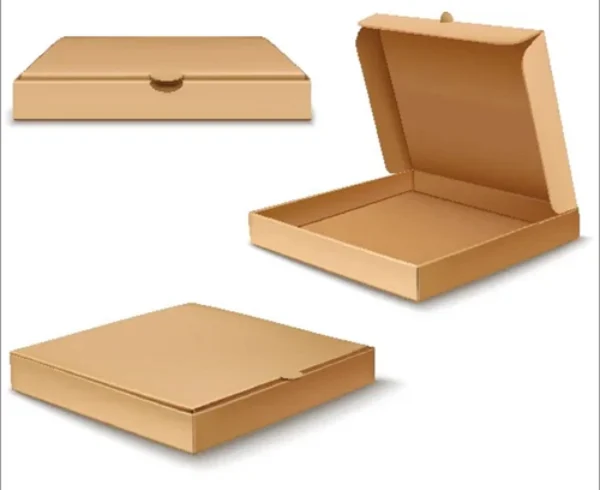
      Pizza Box: Things One Should Know Before Buying Them Eco-friendly materials: Wadpack Pizza Boxes are made from eco-friendly materials such as recycled paperboard or cardboard, making them an environmentally responsible choice. Durable and sturdy: TheseRead more

    • What Is Ply Value In Corrugated Boxes And Why It Is Essential?

      By wadpack | 0 comment

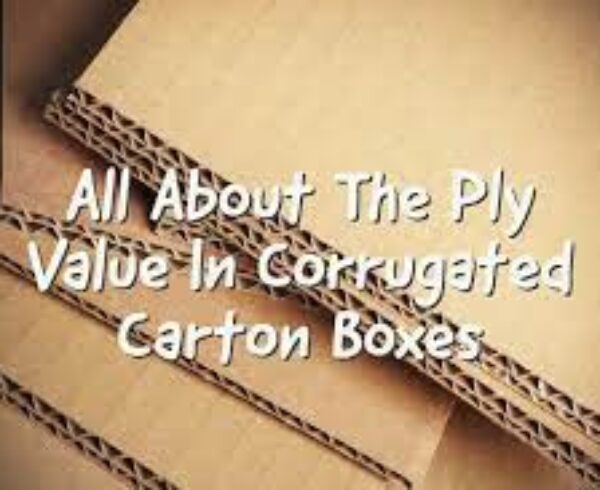
      What Is Ply Value In Corrugated Boxes And Why It Is Essential? The ply value in corrugated boxes refers to the number of layers of corrugated material used to make the box. Corrugated boxes areRead more

    Leave a Comment

    Cancel reply

    Your email address will not be published. Required fields are marked *

    NextPrevious

    Recent Posts

    • Pinewood Boxes for Export: A Complete Guide for Safe & Secure Shipments
    • Benefits of Using Honeycomb Pallets Over Wooden Pallets
    • Why Businesses Are Switching to Paper-Based Packaging
    • Single Wall vs Double Wall vs Triple Wall Corrugated Boxes
    • Advantages of Corrugated Pallets

    Recent Comments

      Archives

      • December 2025
      • November 2025
      • October 2025
      • July 2024
      • April 2024
      • January 2024
      • November 2023
      • October 2023
      • September 2023
      • August 2023
      • July 2023
      • June 2023
      • May 2023
      • April 2023
      • March 2023
      • February 2023

      Categories

      • Uncategorized

      Meta

      • Log in
      • Entries feed
      • Comments feed
      • WordPress.org

      Locate Us

      Wadpack Pvt. Ltd. - Bangalore
      SW-20,2nd Phase, Apparel Park
      KIADB Industrial Area
      Doddaballapur
      Bangalore 561203

      Wadpack Pvt. Ltd. - Guntur
      Door No. 4-99/5, NH-16 Service Road, Kaza Village
      Mangalagiri Mandal
      Guntur Dist.
      Andhra Pradesh - 522503

      Ph: +91-80-43347600
      Ph: +91-9845-921-122

      Industries Served

      Apparel | Automobiles | Tobacco | Paints | Engineering | FMCG | Furniture | Household Appliances | Pharmaceutical | Solar | Electrical | Agro

      Quick Links

      • Home
      • About Us
        • Facilities
        • History
      • Social Accountability
      • Contact Us
      • SpaceKraft IBCs
      Copyright 2022, Wadpack Pvt. Ltd. | All Rights Reserved
      • Home
      • About Us
        • About Wadpack
        • History
        • Investors
        • Sustainable and Compliances
        • Facilities & Capabilities
        • Social Accountability
        • Certificates
        • Customer Feedback
      • Products
        • Tobacco Packaging
          • C48IB Packaging
          • Cut Rag Packaging
          • 100 KGS Packaging
          • Oriental Packaging
          • C30IB Packaging
          • Cigarette Packaging (AROMA RETENTION) Packaging
        • IBCs – Intermediate Bulk Containers
          • SpaceKraft IBCs
        • Archival Box
        • Corrugated Packaging Boxes
        • 7 Ply Corrugated Box
        • 5 Ply Corrugated Box
        • Regular Slotted Container Box (RSC)
        • Heavy Duty Corrugated Boxes
        • Tamper Proof Packaging
      • Industries Served
      • CSR/Training
      • Contact Us
        • Contact Us
        • Careers
          • Apply Now
      • Image Description
      Corrugated Box Manufacturers | Packaging Solutions Provider | Wadpack

      WhatsApp us

      • ←
      • Contact Us
        Contact Form

      • Instagram
      • X